Trending

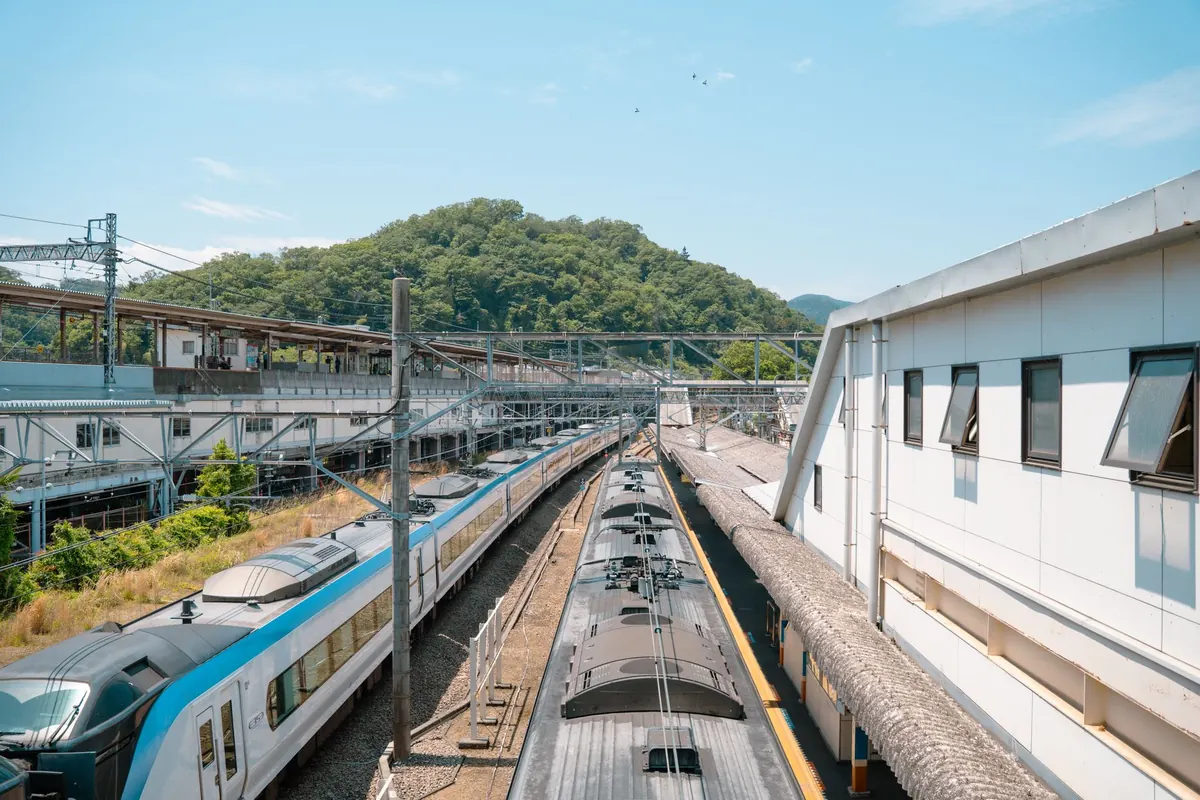
Your train pulls into Florence, your suitcase wheels clatter over the cobblestones, and you have six nights, three cities, and one question to settle: transit pass or rental car? The answer isn’t a brand loyalty question. It’s a geometry question: where you sleep, what you want to see between cities, and how much friction you’re willing to tolerate.
A week in Paris and Amsterdam is a transit week. So is a week in Rome, Florence, and Venice. These cities are dense, their historic centers are not designed for casual driving, and the train between them is part of the trip rather than a compromise. You walk out of a station and you are already there.
A week based in the Tuscan countryside, the Bavarian Alps, or rural Provence tells a different story. If your list includes hill towns, vineyard visits, and trailheads that sit miles from the nearest bus stop, a car turns a logistical puzzle into a pleasant day out. The train gets you between regions; the car gets you to the places in between.
Draw your week as a simple diagram. If you can connect your overnight bases with trains and reach the day’s sights on foot, by tram, or with a short taxi ride, skip the car. If your bases are few but your must-see list is scattered off the rail network, price a rental for the rural segment only. The mistake is renting a car for the whole week because of two country days at the end.
Rental websites are good at showing the number that gets you to click. That number is not your transport budget. Before you decide, put the two styles on the same page and add the extras that apply to your trip:
A rental car’s advertised rate is only the beginning. Parking alone can change the math in a historic city, especially if your hotel charges a nightly garage fee. Transit looks cheaper on paper, but only if you actually use it; buying a pass and then taking taxis everywhere is the worst of both worlds. Pick the pass that matches your daily movements, not the one with the most impressive map.
In many European old towns, the center is not simply inconvenient for cars. It is restricted. Italy has ZTLs, limited-traffic zones watched by cameras. Germany has low-emission zones. France has Crit’Air stickers in some cities. The rules vary by city and change over time, so check the local transport or city website before you drive in. A wrong turn can lead to a fine arriving at your home address months later.
Even outside restricted zones, parking shapes your day. You may spend twenty minutes circling a block while your passengers give unhelpful directions. You may find a spot that is free only after 7 p.m. or reserved for residents on market day. If your hotel advertises “parking nearby,” ask for the exact garage name, address, and nightly rate before you book. Sometimes the smart move is to park on the edge of the center and take a tram in. You will walk less, argue less, and see more.
A car promises freedom: stop at the viewpoint, change plans at lunch, carry rain gear and wine bottles without judgment. That promise holds when the roads are open and the parking is easy. It collapses when you hit a city-center traffic jam at 5 p.m., discover your hotel is inside a pedestrian zone, or realize the driver cannot enjoy the local wine with dinner.
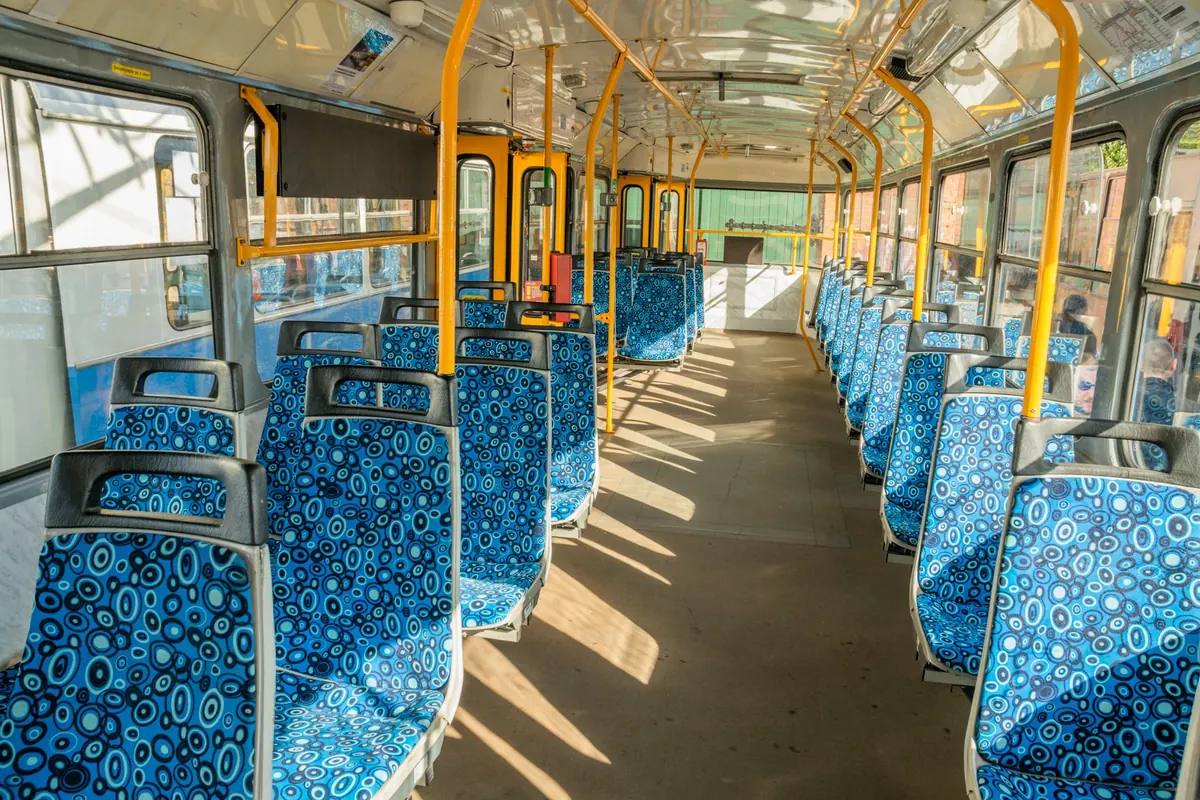
Transit has its own limits. Timetables matter, last trains leave earlier than you expect, and a strike can rewrite your day. But in cities, transit also gives you something a car cannot: attention. You can read, rest, plan the next stop, or simply watch the city pass by. For a week-long trip, that recovered energy is worth real money.
Rent a car when the day’s highlights are spread across small roads and rare buses: three villages in one afternoon, a national park trailhead, a family-run winery with no station nearby. It also helps if you are traveling with small children, limited mobility, or enough luggage that every train change feels like a workout. Just be honest about how many days you will actually drive.
Skip the car if your hotel has no parking, if most of your plans are inside old towns, or if you plan to drink at dinner. A car parked in a garage for three days is not flexibility. It is a prepaid liability with a monthly payment plan for nothing.
Driving in an unfamiliar city is a skill, and a week is not enough time to acquire it. Narrow lanes, scooters passing on both sides, roundabouts with unclear exits, and a manual transmission you have not touched since driving school all add up. If you are used to an automatic, book one explicitly; “or similar” may not mean what you hope. A phone mount, offline maps, and a calm passenger with navigation duties are not luxuries.
The best transport choice is the one that leaves you with energy for the place you came to see.
Transit has stress too: validating a ticket, finding the right platform, guarding your bag in a crowd. But it is usually shared stress, with staff and signs to help. Driving stress is private and immediate. If the thought of finding a garage in a medieval center makes your shoulders rise, believe that signal. You are not failing at travel; you are choosing your battles.
For many week-long trips, the best answer is not one mode but a sequence. Stay in the city, use transit, and pick up a car only when you leave for the countryside. Drop
Photo: SHOX ART / Pexels